

The best smart home features are usually not the ones that feel flashy. They are the ones that make everyday life smoother without asking us to think about them all the time. A well-designed smart home should not feel like a showroom full of gadgets. It should feel calm, comfortable and easy to live in. At Hellings Builders, that idea makes a lot of sense to us because we’ve always believed custom luxury homes should blend beauty with function. Technology can absolutely support that, but only when it’s chosen with real life in mind.
Start With the Features You’ll Actually Use Every Day
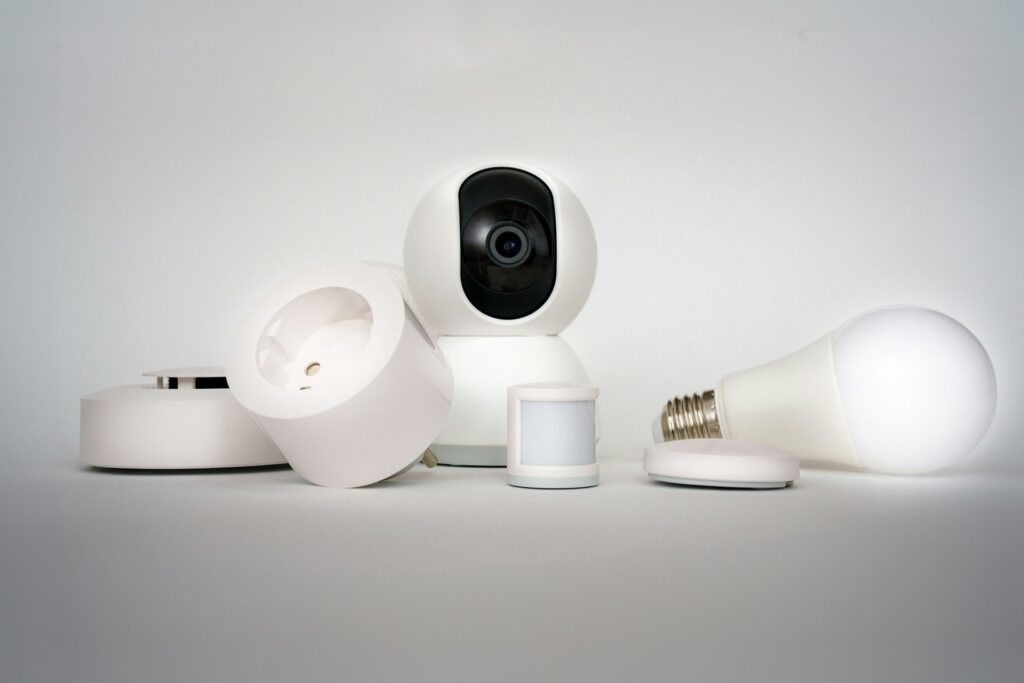
This is the easiest place to get smart home planning right. Instead of asking what sounds impressive, it helps to ask what we’ll use all the time.
Lighting, temperature, security and entry access usually rise to the top because they touch everyday routines. These are the timeless features that affect how the house feels in the morning, how we settle in at night and how easily the home supports us when life gets busy.
That is also why the best smart upgrades tend to feel pretty understated. They do not demand attention. They just make the house work a little better.
Smart Lighting Is One of the Easiest Wins
If we had to choose one place to start, smart lighting would be high on the list.
It can make a home feel more welcoming almost instantly. We can set lights to come on softly in the morning, dim automatically in the evening or create simple scenes for dinner, reading, movie night or winding down before bed. It is practical, but it also adds a layer of comfort that people notice right away.
Smart lighting also works well because it supports both function and atmosphere. A room can feel brighter and more usable when we need it to, then softer and more relaxed later on. That kind of flexibility goes a long way in a well-designed home.
Climate Control Is Really About Comfort
A smart thermostat is often described as an energy feature, and that is true, but the bigger benefit for most people is comfort.
Being able to control temperature more intentionally makes a house feel more consistent and easier to live in. If certain areas tend to run warmer or cooler, better zoning and smarter control can help. If schedules change, it is nice to adjust things without walking from room to room. If we leave the house and forget to change the settings, it is easy to fix.
The best part is that this kind of technology usually works in the background. We are not constantly managing it. We are just enjoying a home that feels better.
Security Should Feel Reassuring, Not Complicated
A lot of homeowners are interested in smart home features because they want more peace of mind, and that makes complete sense.
Video doorbells, smart locks, entry alerts and outdoor cameras can all help us feel more aware of what is happening around the house. They can also make everyday routines easier. Letting in a guest, checking whether a package arrived or confirming that the door is locked can all happen with very little effort.
That convenience matters, but so does the emotional side of it. Good security features should make the house feel more settled and more supportive, not more stressful.
Motorized Shades, Audio and the Smaller Conveniences Add Up
Some smart upgrades do not sound essential at first, but they have a way of making the whole home feel more polished.
Motorized shades are a great example. They help with privacy, glare and mood, but they also add a sense of ease that feels especially nice in a thoughtfully designed space. Whole-home audio can be similar. It is not about turning the house into a sound system. It is about making daily moments feel a little more seamless, whether that means music in the kitchen in the morning or a more relaxed atmosphere when friends are over.
These are the kinds of touches that can quietly elevate the way a home feels without making the home feel overly automated.
Kitchens and Baths Can Be Smart Too
We usually think of smart technology in living areas first, but kitchens and baths can benefit from it too.
In the kitchen, touchless faucets, smart ovens, better ventilation control and lighting that adjusts to the time of day can all make the space easier to use. In the bath, features like heated floors, smart mirrors, improved exhaust control or simple programmable comfort settings can make the room feel more refined and more enjoyable.
The key is not adding technology just to say it is there. It is choosing the few upgrades that make those spaces feel more intuitive and more comfortable.
The Best Technology Still Feels Calm and Simple
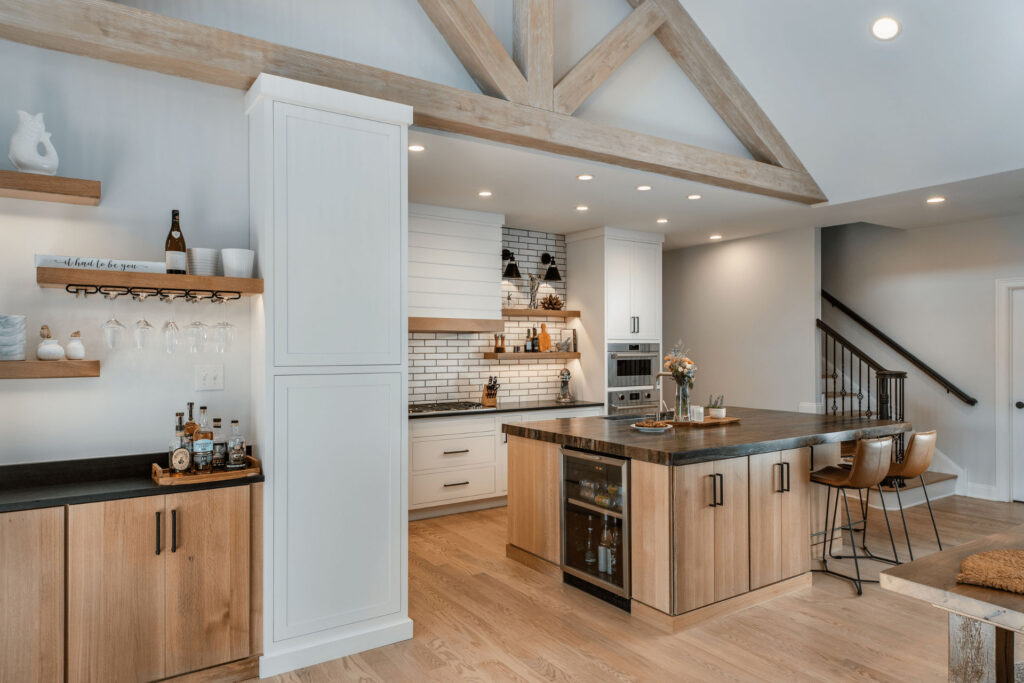
This is probably the most important idea in the whole conversation.
A smart home should still feel like a home first. The goal is not to fill every room with automation just because we can. It is to choose technology that fits the way we live, supports the design of the home and stays easy to use over time.
That usually means being selective. A few smart choices that solve real problems or improve daily comfort will almost always feel better than a long list of features that sound exciting but rarely get used. The smartest homes are often the ones where the technology fades into the background and lets the house itself shine.
FAQs About Smart Home Features
What smart home features are most worth it?
For most homeowners, the most worthwhile features are smart lighting, thermostats, security systems, smart locks and a few convenience upgrades that support everyday routines. The best choices are usually the ones we use all the time.
Do smart home features add value to a custom home?
They can, especially when they improve comfort, security, energy efficiency and everyday ease. Features that feel intuitive and well-integrated tend to be more valuable than technology that feels complicated or unnecessary.
What smart home features are best for families?
Smart locks, video doorbells, lighting scenes, climate control and simple automation that supports schedules are often especially useful for families because they make routines smoother and help the home feel easier to manage.
Are smart home features hard to use?
They do not have to be. When they are planned well, the best systems feel simple and natural. Good technology should make the home easier to live in, not more difficult to manage.
How do we avoid overdoing smart home technology?
Start with lifestyle, not novelty. Think about comfort, convenience and peace of mind first, then choose the features that support those priorities. Restraint usually leads to a better result.
What smart home features help with energy efficiency?
Smart thermostats, automated lighting, motorized shades and systems that help us manage heating, cooling and power use more intentionally can all support better efficiency.
Where Good Design and Good Living Come Together
The best smart homes are not the ones trying the hardest to feel high-tech. They are the ones that feel comfortable, useful and beautifully considered. At Hellings Builders, that balance matters to us because it fits the way we think about home design as a whole. A house should feel timeless, personal and easy to enjoy, and the right technology can absolutely support that when it is chosen thoughtfully. The smartest home is not the one with the most systems. It is the one where everything works together in a way that feels natural every single day.