

A walk-in pantry can sound like one of those kitchen features that is simply nice to have, right up until you live with a really good one. Then it starts to feel a lot more essential. The best walk in pantry ideas are not really about having a bigger place to stash food. They are about making the whole kitchen feel calmer, less cluttered and a whole lot easier to use. When a pantry is planned well in custom homes or home renovations, groceries are easier to put away, counters stay clearer and the kitchen just works better. At Hellings, that kind of everyday function matters to us as much as the finished look. We are always drawn to spaces that feel beautiful, of course, but also deeply practical once real life starts happening in them.
Key Takeaways
- The best walk-in pantry ideas make the kitchen easier to use, not just easier to photograph.
- Good pantry design starts with layout and daily habits, not just extra shelves.
- Lighting, storage zones and shelf depth matter more than people expect.
- A walk-in pantry can be both beautiful and hardworking.
- The most successful pantry is the one that fits the way we actually cook and live.
1. Start With How We Actually Use the Kitchen
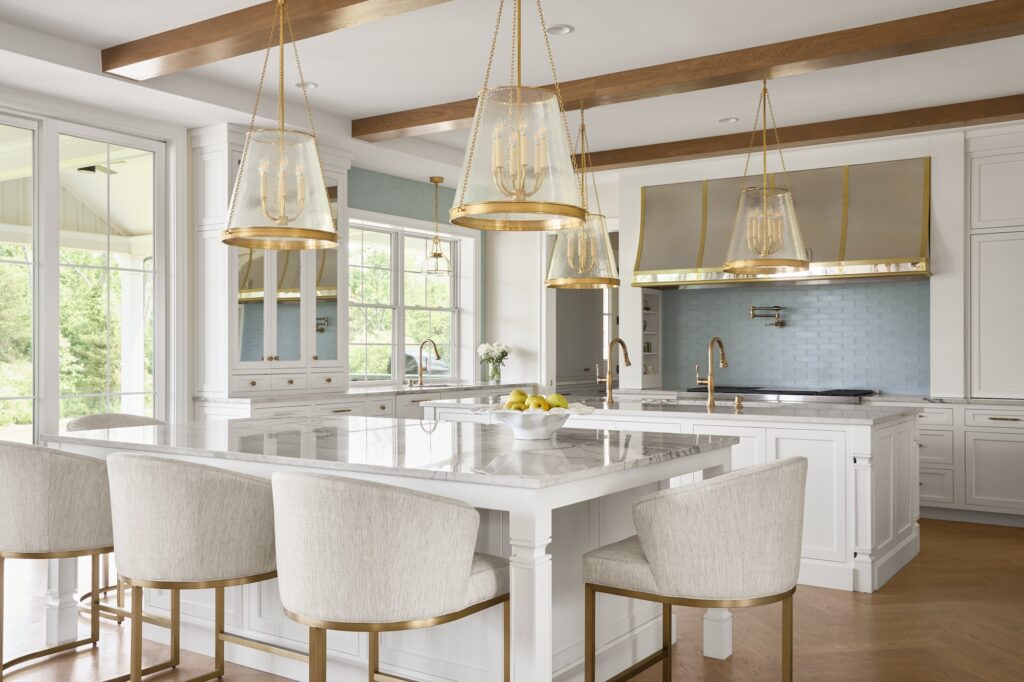
This is really where the whole thing begins.
Before we get caught up in finishes or perfectly labeled containers, it helps to step back and think about what actually happens in the kitchen every day. Are we storing bulk groceries? Trying to keep small appliances off the counters? Looking for a better place for kids’ snacks, paper goods, serving pieces or all those things that somehow end up piled in cabinets that already feel too full?
The reason this matters is simple: a pantry works best when it is built around real habits. Not ideal habits. Not Pinterest habits. Real ones. The more honestly we think about how we cook, shop, snack, entertain and unload groceries, the easier it becomes to design a pantry that feels genuinely helpful instead of just impressive.
2. Create Zones So the Pantry Feels Easier to Use
One of the simplest ways to make a pantry work better is to give it some structure.
That does not mean it has to feel rigid or over-organized. It just means similar things should live together. Dry goods in one area. Snacks in another. Baking ingredients where they are easy to grab. Small appliances where they are out of sight but still accessible. Entertaining pieces, overflow items and paper products each having a place of their own.
Once those zones are in place, everything starts feeling easier. Grocery put-away takes less time. You stop digging through shelves trying to find what you know is in there somewhere. And the pantry starts supporting the kitchen instead of quietly creating more chaos behind a closed door.
3. Get the Shelving Right Before Anything Else
Shelf depth does not sound exciting, but it can make or break the whole pantry.
If shelves are too deep, things disappear. That is usually when the back of the pantry turns into a graveyard for extra pasta, duplicate spices and things we forgot we bought. If shelves are too shallow, they stop being very useful. The sweet spot is usually somewhere in the middle, where items are easy to see and easy to reach without wasting space.
It also helps to vary the shelf heights. Some things need more room than others, and a pantry usually works better when it is not trying to force cereal boxes, small cans, bulky appliances and serving trays into the exact same kind of storage. Good shelving feels obvious once you are using it, and that is usually the sign that it was planned well.
4. Good Lighting Matters More Than People Expect
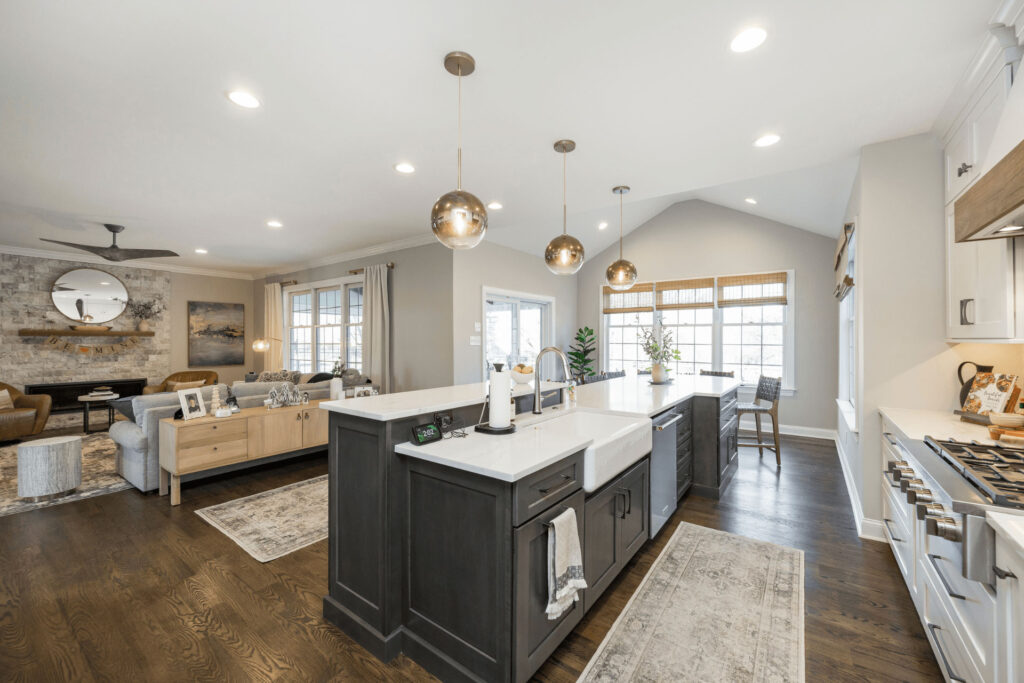
A pantry can have all the storage in the world and still feel frustrating if the lighting is bad.
This is one of those details that does not always get much attention early on, but it can make a huge difference once the pantry becomes part of daily life. If labels are hard to read, if the back corners disappear into shadow or if the whole space feels dim and closed off, the pantry instantly becomes less useful, no matter how pretty the shelving is.
That is why it helps to think a little more intentionally about the lighting plan. A flush-mount ceiling light or a small recessed fixture can work well for the overall space, but it is often even better when that general light is paired with something more targeted. LED strip lighting under shelves can make it much easier to see what is actually sitting below. Small puck lights can help brighten deeper corners or specific storage areas that tend to get dark. And if the pantry includes countertop space for a coffee setup, a microwave or small-appliance storage, under-cabinet lighting can make that area feel much more functional and finished.
Good lighting does more than brighten the room. It makes the pantry easier to work in, easier to keep organized and honestly, a lot nicer to step into. It also gives the space a more polished, intentional feel, which matters when the goal is to create something that is both functional and well designed.
5. A Little Counter Space Can Go a Long Way
If the pantry has the room, even a small stretch of counter can be incredibly helpful.
This is where a walk-in pantry starts doing more than storing food. It can become a place for the coffee setup, the toaster, the microwave, a charging station or a landing zone for groceries before everything gets put away. It can also give us a little breathing room in the main kitchen by taking some of those everyday items off the visible counters.
And that usually ends up mattering more than people expect. A pantry with a little counter space often feels less like a storage closet and more like a real extension of the kitchen.
6. Make the Pantry Feel Connected to the Kitchen
A pantry should feel like part of the kitchen, not like a separate room we happen to use for storage.
That is why location, door style and overall flow matter so much. If the pantry is awkward to reach or interrupts the natural movement of the kitchen, it can end up feeling less useful than it should. But when it is placed well and easy to move in and out of, it starts supporting the whole room in a way that feels much more natural.
This is especially helpful to keep in mind if you are in the beginning stages of a home renovation, because that is the point when layout decisions can either make the pantry feel seamlessly connected or leave it feeling like an afterthought. A pantry does not need to call attention to itself. It just needs to fit into the rhythm of the kitchen so naturally that the whole space feels easier, smoother and better to live in every day.
7. The Best Walk In Pantry Ideas Feel Beautiful and Useful at the Same Time
Function matters, but that does not mean the pantry has to feel purely utilitarian.
A really good pantry can be hardworking and still feel beautiful. Thoughtful finishes, attractive shelving, good hardware, a clean palette and materials that connect back to the kitchen can make the space feel intentional rather than forgotten. It does not need to be showy. It just needs to feel considered.
That is usually what people respond to in the long run anyway. Not storage for the sake of storage, but a pantry that feels like it belongs in the home and genuinely improves the way the kitchen looks and works.
8. The Right Pantry Usually Feels Easy Once We Live With It

This may be the clearest test of all.
A pantry is successful when it quietly makes life easier. Groceries have a natural place to go. Counters stay a little clearer. Cooking feels less scattered. We are not constantly moving things around to make the kitchen function. The pantry just does its job, and it does it well.
That is what the smartest walk in pantry ideas usually have in common. They aren’t trying too hard; they simply make everyday kitchen life feel better.
FAQ
What are the best walk in pantry ideas for everyday life?
The best ones are usually the ideas that make the kitchen easier to use every day. Good pantry design supports grocery storage, countertop clarity, cooking flow and the way we actually live instead of focusing only on appearance.
What should a walk-in pantry include?
A walk-in pantry should usually include well-planned shelving, clear storage zones, good lighting and enough flexibility to hold everyday food items along with the things we want off the main kitchen counters.
How deep should walk-in pantry shelves be?
In most cases, moderate shelf depth works better than extra-deep shelves because it helps keep items visible and easy to reach. Once shelves get too deep, things tend to disappear in the back.
Should a walk-in pantry have a countertop?
If space allows, yes. Even a small countertop can make a big difference by giving us room for appliances, grocery unloading or a simple prep or coffee zone.
How do we organize a walk-in pantry so it stays functional?
The easiest way is to create zones that reflect real habits. When dry goods, snacks, appliances, serving pieces and overflow storage all have their own area, the pantry usually stays easier to manage.
Is a walk-in pantry worth the space?
It can absolutely be worth it when it improves how the kitchen works. The biggest value is not only storage. It is the way a good pantry can make the entire kitchen feel calmer and more functional.
A Better Pantry Usually Starts With Better Everyday Thinking
The best walk in pantry ideas are usually the ones that make the kitchen feel easier to live in. That is the part that matters most. A pantry does not need to be oversized or packed with every possible feature to be worthwhile. It just needs to support real life in a smart, thoughtful way. As an experienced local custom home builder, that kind of practical beauty is a big part of how we think about design. We care about spaces that feel timeless, highly functional and genuinely good to use day after day.
The right pantry is not just the one with the most shelves. It is the one that helps the whole kitchen work better for the way we actually live.